



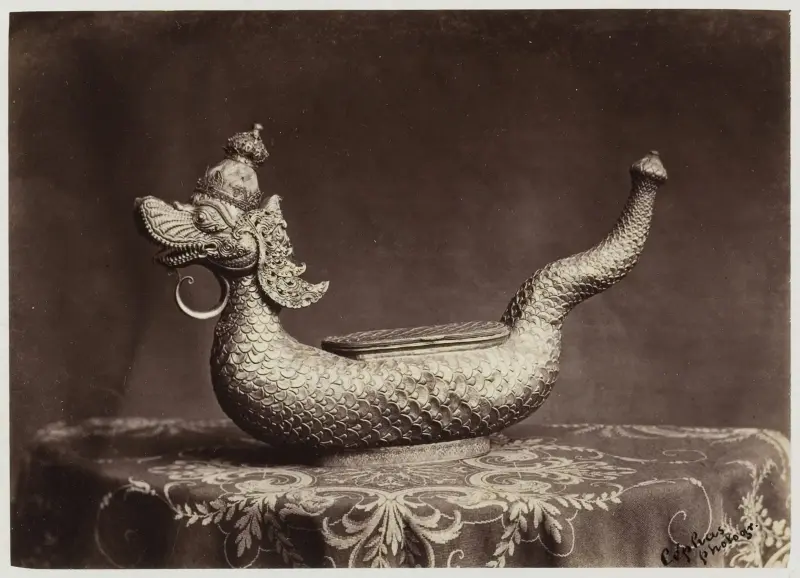
The Raja of Buleleng, Bali,

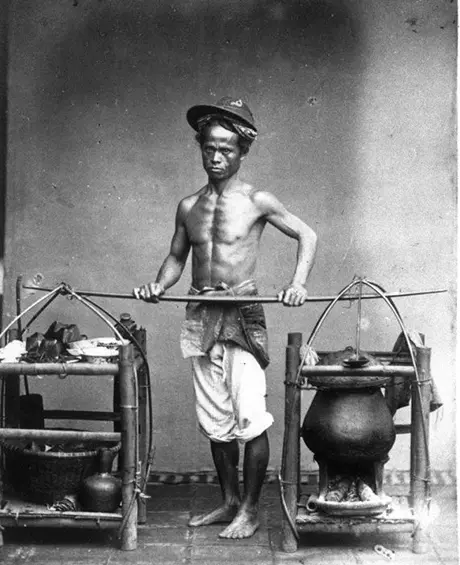
In 1875, the Raja of Buleleng was a prominent figure in the northern part of Bali, an island that was then under the influence of the Dutch colonial empire. Buleleng was one of the nine regencies on the island, and its raja (king) played a significant role in the local politics, culture, and governance of the region.
The Raja of Buleleng in 1875 was likely to be one of the members of the royal family who had been ruling the area for several centuries. The kingdom of Buleleng, located along the north coast of Bali, was a powerful state historically known for its military prowess and its involvement in trade. During this period, however, Bali was in a time of political transition, with increasing Dutch control over the island. The Dutch East Indies had already established their presence in Bali, although resistance from the local rulers was still strong.
In 1849, the Raja of Buleleng, Gusti Gede Putu, had signed a treaty with the Dutch, recognizing their influence over Bali in exchange for maintaining a degree of local autonomy. By 1875, however, the Dutch were gradually increasing their control over the island’s internal affairs, undermining the traditional authority of the Balinese rajas.
The Raja of Buleleng’s role during this time would have been complex, as he navigated both his relationship with the Dutch and the traditional responsibilities of maintaining power and influence over his people. Local rulers like the Raja of Buleleng were crucial in managing the agricultural and social systems of their territories, which were heavily dependent on the region's economy and religious practices.
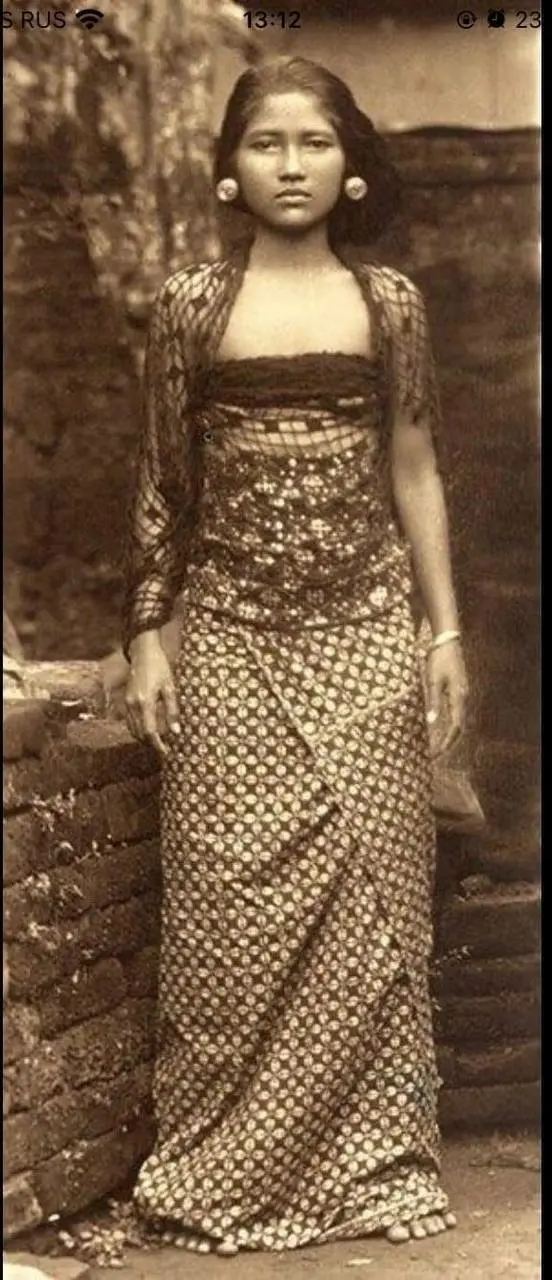
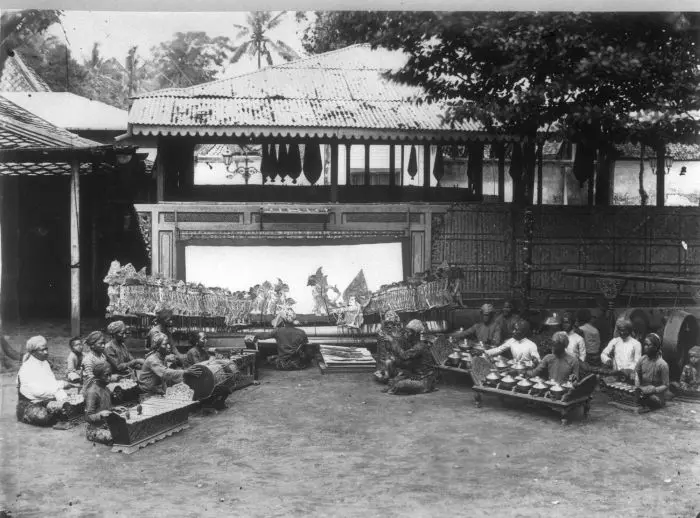
Culturally, the Raja of Buleleng, like other Balinese rulers, was a patron of the arts and played a key role in the promotion of Balinese culture, including traditional dance, music, and rituals. The area of Buleleng, with its proximity to trade routes, also had a unique blend of influences from Java, China, and other parts of Southeast Asia, which would have shaped the kingdom’s art, architecture, and social structure.
In summary, in 1875, the Raja of Buleleng would have been a key figure in a region undergoing significant political and cultural changes, caught between the traditions of the past and the rising power of Dutch colonialism. His leadership, along with that of other local rajas, played a central role in maintaining the heritage and identity of Bali during a turbulent period in its history.
Comentarios
Envíado por

OldPik
7 de enero de 2024
Fuente
Enlace externo a la fuente¿Tienes fotos antiguas?
Comparte tus fotografías históricas y ayuda a preservar nuestra memoria colectiva.
Subir fotos
Sin comentarios aún, sé el primero en comentar...